Newton Village Micro-Markets: A Buyer’s Orientation
March 5, 2026
March 5, 2026
Trying to make sense of Newton’s 13 villages can feel like shopping 13 different markets at once. If you are relocating or moving up, that can be overwhelming. This guide shows you how to read Newton as a set of micro‑markets so you can match your budget, commute, school priorities, and lifestyle to the right village. You will learn a simple framework, see quick village snapshots, and understand how new village‑center zoning could shape future options. Let’s dive in.
Newton is organized around historic village centers rather than one single downtown. The city itself highlights these villages as place anchors and publishes official village resources and walking tours that reinforce this identity. You can explore the city’s overview in the City of Newton’s Villages pages for context and history: City of Newton villages overview.
The city also adopted a Village Center Overlay District to guide future housing and retail around these cores. This policy can influence supply, mixed‑use projects, and the overall walkable feel near each center over time. If you care about village life, keep an eye on the rollout described in the Village Center Overlay District.
For buyers, it helps to view each village through four lenses: housing stock, commute options, school assignment by address, and day‑to‑day walkability around the village core. The city’s planning and geography pages outline how different center types function and how that affects your lifestyle on the ground. See the village center classification for scale and retail context.
Set clear price guardrails before you tour. Newton’s citywide median has hovered around the mid‑to‑high seven figures in recent snapshots, with many single‑family homes closing near or above 1.5 million as of early 2026. Treat any citywide number as a starting point. Village and even block‑level product mix will move your realistic range.
As you compare villages, use zip‑level medians as directional proxies since village lines are informal. Then drill into recent solds by product type. Expect wide ranges between an entry‑level condo near a village core and a renovated single‑family on a larger lot.
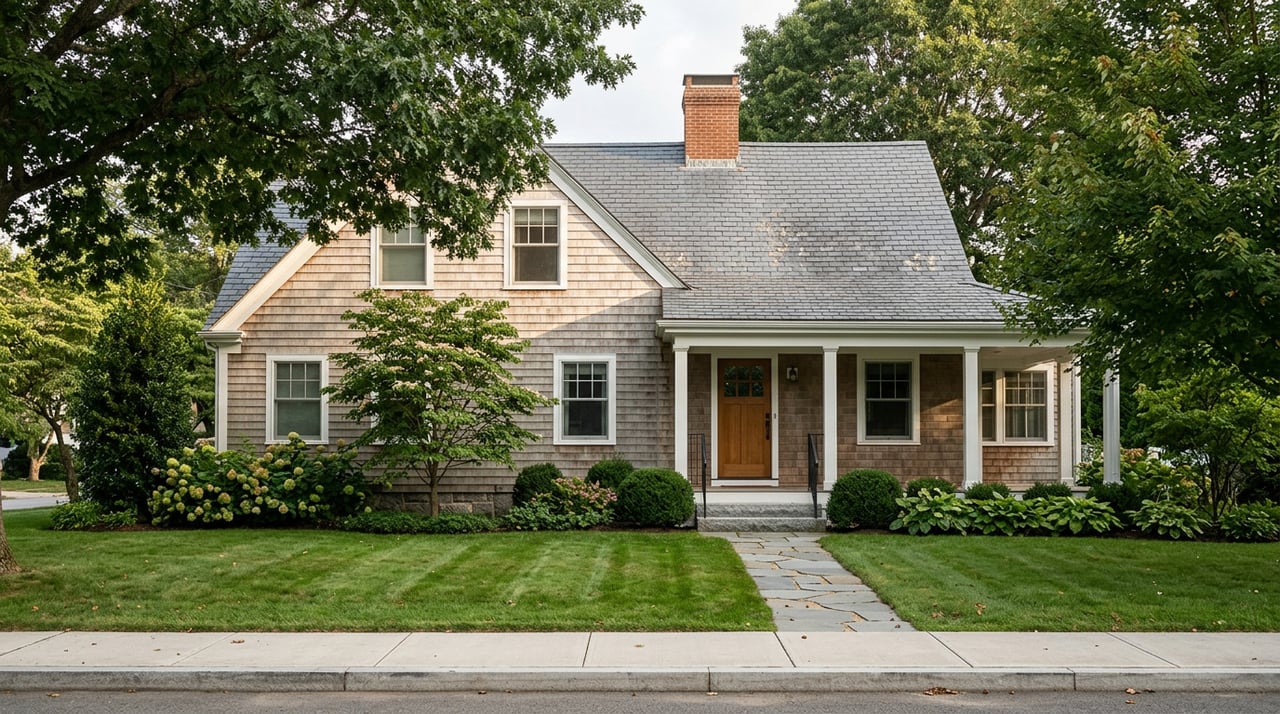
Newton’s villages offer classic New England variety. You will see late 19th and early 20th century single‑family homes, early to mid‑century suburban styles, and pockets of small multi‑family or condo conversions near transit and the village center. Some corridors feature newer infill townhomes or boutique condo buildings. Use the city’s geography and center types to anticipate where a denser, more mixed product set is likely.
A helpful benchmark from regional analyses: scheduled Green Line running time from Park Street to Newton Highlands is about 31 minutes. Your door‑to‑door time will vary with walk time, wait, and transfers. You can review published travel time context in the Boston MPO analysis.
Newton Public Schools operates 15 elementary schools, 4 middle schools, and 2 high schools, Newton North and Newton South. Assignments are based on address. Small boundary shifts can change your elementary school or determine whether a home feeds to North or South. Always verify by exact address using district resources on the Newton Public Schools district overview.
The city classifies village cores by retail scale, from Convenience and Neighborhood Centers to full Village Centers and Gateway Centers. If you prioritize errands on foot, look for homes within a short walk of a Village Center. For a quieter, more residential feel where you will drive more, focus on areas served by Neighborhood or Convenience centers. Get familiar with the categories in the city’s village center classification.
Newton is a premium suburban market with lean inventory. The best properties near transit or strong village cores often attract multiple offers. Rely on zip‑level snapshots and the most recent sold comparables in your specific product type to set expectations for pace and pricing.
These are directional and meant to jump‑start your short list. Use them with the framework above, then verify by address.
Chestnut Hill spans Newton, Brookline, and Boston. That split affects taxes, municipal services, and some school assignments. Always verify the exact municipal jurisdiction and school assignment by address. Zip‑level metrics for 02467 mix sales from different cities, so treat them as rough signals only.
For Green Line riders, many Newton village stations fall in the 30 to 40 minute range to downtown in published timetables, depending on starting point and time of day. A reference point in regional analyses is about 31 minutes from Park Street to Newton Highlands on scheduled runs. Use this only as a benchmark and time your own commute. You can review published travel‑time context in the Boston MPO analysis.
The Village Center Overlay District is designed to focus housing and retail in and around village cores. Over time, that can support more walkable amenities and a broader mix of homes near transit and shops. If you are buying close to a center, understand where the overlay applies and what types of change it could allow. The city’s overview explains goals, boundaries, and next steps in the VCOD planning page.
You deserve a calm, data‑backed path through Newton’s micro‑markets. Our team pairs deep local relationships with a systems‑driven approach that works for busy professionals and relocating families. We will help you model door‑to‑door commute time, verify school assignments by address, and compare recent solds by product type in your price band. If you are moving from out of state or buying on a tight timeline, we can structure efficient tours and support confident offers.
Ready to build your Newton short list with a clear plan? Connect with Taylor Yates for a complimentary concierge consultation.
Stay up to date on the latest real estate trends.

Taylor Yates | August 24, 2026
August 20, 2026

Taylor Yates | August 17, 2026
August 13, 2026

Taylor Yates | August 10, 2026

August 6, 2026

August 6, 2026

Taylor Yates | August 3, 2026

Taylor Yates | July 27, 2026
We bring decades of experience to transactions large and small and treat every client with the high level of service they deserve. Whether your goal is to build, buy, or sell a home, I would be honored to serve and help you with your real estate needs!

426 Boston Post Rd. Weston, MA 02493