Renovate Or Sell As Is? Strategy For Newton Homeowners
June 25, 2026
June 25, 2026
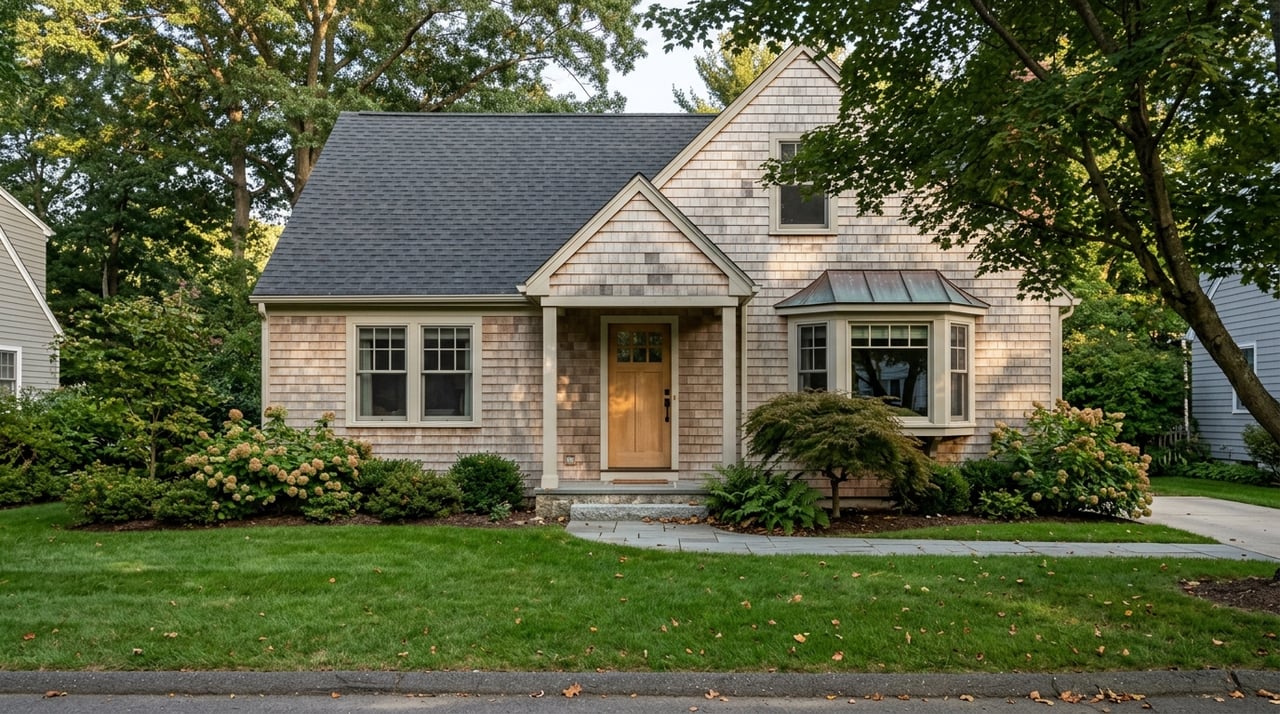
If you are getting ready to sell in Newton, the biggest question may not be whether your home will attract interest. It may be how much work you should do before you list. In a market where homes are moving in about 21 days and the median sale price reached $1.659 million over the three months ending May 2026, the wrong renovation can waste time and money just as easily as the right one can strengthen your result. This guide will help you decide when to renovate, when to sell as is, and where to focus first so your next step is strategic. Let’s dive in.
Newton remains a strong market, but strong does not mean every home sells at a premium no matter its condition. Redfin reports that homes averaged about three offers, sold at 100.8% of list price, and still saw price drops on 27.7% of listings over the same recent period. That tells you buyers are active, but they are still paying close attention to pricing and presentation.
This matters because a high price point does not automatically justify a major pre-sale renovation. Newton also has a well-informed buyer pool, with Census data showing a 70.0% owner-occupied rate, a median owner-occupied home value of $1,264,900, and a highly educated population. In practical terms, buyers often notice quality, upkeep, and functionality quickly, but that does not mean they will reward every expensive upgrade dollar for dollar.
For most Newton homeowners, the best answer is not all or nothing. It is usually a filtered strategy that starts with required compliance, addresses visible issues, and avoids oversized projects with weak resale recovery.
A full renovation may sound appealing if your home feels dated. But if you plan to sell within the next 6 to 18 months, the Boston-area Cost vs. Value data suggests that major kitchen and bath overhauls often recover far less than smaller, buyer-visible improvements. That makes selective preparation the more defensible path for many sellers.
Selling as is can be the smarter move when the work is expensive, hidden, or likely to create timeline risk. In Newton, that risk can be more significant than many sellers expect.
If the needed updates are mostly behind the walls, structural, or system-related, buyers may not value them as strongly as you hope in the list price. That is especially true when the visible parts of the home still present well enough for a strong first impression.
For example, a major kitchen remodel in the Boston metro Cost vs. Value report recouped 40.8%, while an upscale bath remodel recouped 34.5%. If your main need is a large, expensive overhaul, it may make more sense to price accordingly and let the next owner choose their own scope and finishes.
If you want to list soon, a renovation can create more stress than upside. Newton requires permits for remodeling work, with building, electrical, plumbing, and gas permits charged at $20 per $1,000 of estimated construction cost, with a $50 minimum residential permit fee.
Those costs are only part of the picture. Contractor scheduling, inspections, and city processes can all affect your listing window. If timing matters, simplicity usually wins.
Historic review is a major local factor that should not be overlooked. Newton states that any property more than 50 years old is subject to historic review for exterior alterations, and homes within the city’s four local historic districts require review for all exterior changes, including driveways, walkways, and hardscaping.
That means even straightforward exterior plans can involve added steps and uncertainty. If your ideal prep list includes outside work, it is smart to weigh the timeline risk before committing.
A limited pre-list renovation can absolutely make sense in Newton when it improves what buyers see right away. The key is to focus on updates with strong visual impact and a more favorable resale profile.
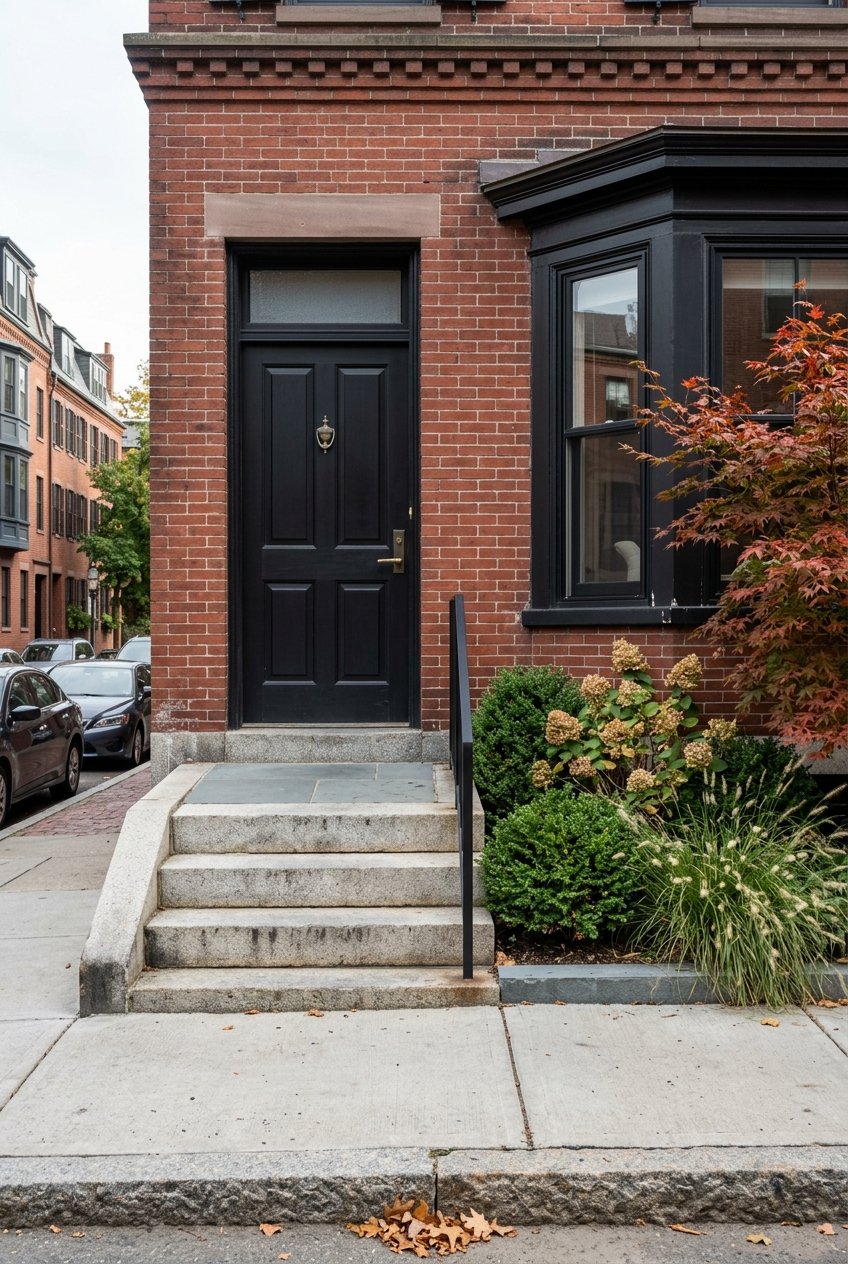
Some of the strongest resale returns in the Boston metro data come from exterior projects that quickly change a buyer’s first impression. Garage door replacement showed 283.9% cost recouped, steel entry door replacement showed 174.1%, manufactured stone veneer showed 134.4%, and fiber-cement siding replacement showed 116.6%.
These are not full-scale transformations. They are targeted improvements that make a home look cared for, current, and easier to say yes to during the first few seconds of a showing.
If your kitchen is dated but functional, a minor remodel may be far easier to justify than a full replacement. In the Boston metro report, a minor kitchen remodel recouped 119.2%, far outperforming a major midrange kitchen remodel.
That difference matters. If cabinets, layout, and general flow are workable, a selective update may help your home compete without overcapitalizing.
Visible maintenance issues can make buyers question the rest of the property. If your home has worn finishes, an aging front door, neglected siding, or other obvious presentation issues, addressing them can reduce objections and improve confidence.
In a market where nearly 28% of listings had price drops, first impressions still matter. Even with strong demand, buyers often react to condition before they react to the home’s long-term potential.
Not every common update is a strong pre-sale investment. If resale is your main goal, it helps to separate ownership upgrades from listing preparation.
The Boston metro data shows lower recoup rates for vinyl window replacement at 69.7%, a midrange bath remodel at 65.3%, and asphalt shingle roof replacement at 59.4%. Those projects may still be necessary for comfort, maintenance, or long-term ownership, but they are harder to justify if you are selling soon and hoping for a direct payoff.
The same logic applies to bath additions and upscale bath remodels. These can improve how you live in the home, but they are often a weaker short-term listing strategy than visible, lower-cost improvements.
Before choosing paint colors or cabinet hardware, take care of the items that can affect your closing process. In Massachusetts, sellers need a certificate of compliance from the local fire department for smoke and carbon monoxide alarms when selling or transferring a home.
Newton adds an important timing note here. The city says residential real estate sales require a smoke and CO detector inspection, inspections are booking about two weeks out, and sellers should try to book about one month before closing.
Massachusetts also requires replacement of expired smoke alarms or battery-powered smoke alarms more than 10 years old with photoelectric alarms that have sealed 10-year batteries and a hush feature. These are not glamorous tasks, but they are essential ones.
If you are unsure where to draw the line, use these questions before spending a dollar:
If the answer to the first or fourth question is yes, and the answer to the second or third is no, that is often a sign to keep the plan lighter.
For many Newton sellers, the strongest approach is a three-step plan:
This approach respects the realities of the local market. Newton’s pricing is strong, but buyers still respond to condition, and the city’s permitting and historic review rules can make larger projects more complicated than expected.
The goal is not to do the most work. The goal is to do the right work.
If you want help weighing renovation costs, timing, and likely buyer response for your Newton home, request a complimentary concierge consultation with Taylor Yates.
Stay up to date on the latest real estate trends.

Taylor Yates | July 13, 2026
July 9, 2026

Taylor Yates | July 6, 2026
July 2, 2026
June 25, 2026

Taylor Yates | June 22, 2026
June 18, 2026

Taylor Yates | June 15, 2026
June 11, 2026
We bring decades of experience to transactions large and small and treat every client with the high level of service they deserve. Whether your goal is to build, buy, or sell a home, I would be honored to serve and help you with your real estate needs!

426 Boston Post Rd. Weston, MA 02493