Historic Versus Newer Homes In Wellesley: How To Decide
April 16, 2026
April 16, 2026
Trying to choose between a historic home and a newer build in Wellesley? You are not alone. In a town where the housing stock is split between older homes, replacement-era construction, and a median home price above $2 million, the decision can feel both exciting and high stakes. The good news is that each option offers real advantages, and the right fit usually comes down to how you want to live, maintain, and plan for the future. Let’s dive in.
Wellesley is one of those rare markets where the historic-versus-newer question is especially relevant. According to the town’s housing market study, about 36% of homes were built before 1940, nearly half were built between 1940 and 1980, and about 16% were built since 2000.
That newer segment does not always mean entirely new neighborhood growth. The same study notes that many post-2000 homes came from teardown and rebuild activity, which helps explain why you can find traditional streetscapes alongside much larger, more recently built houses.
For you as a buyer, that means the decision is not just about age. It is also about layout, upkeep, energy performance, renovation flexibility, and how much project management you want to take on after closing.
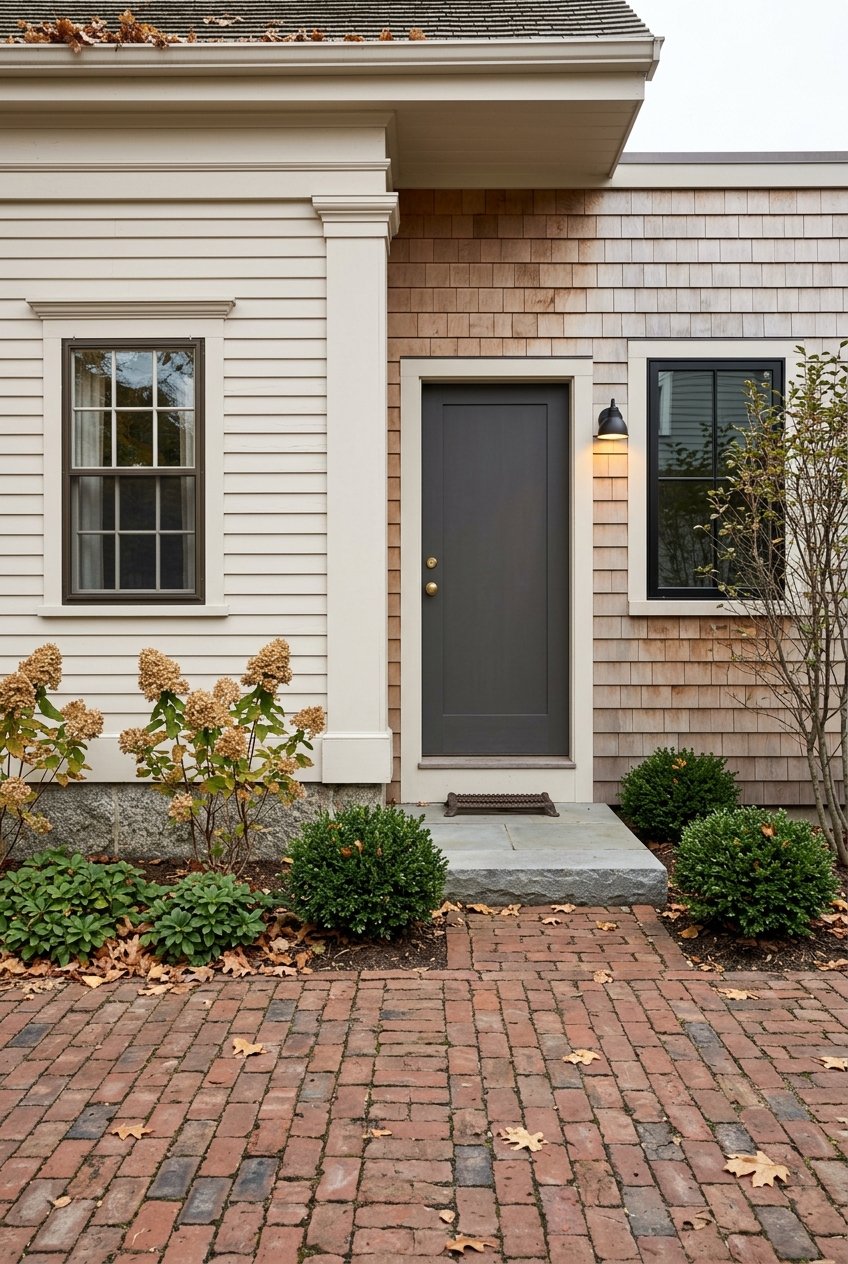
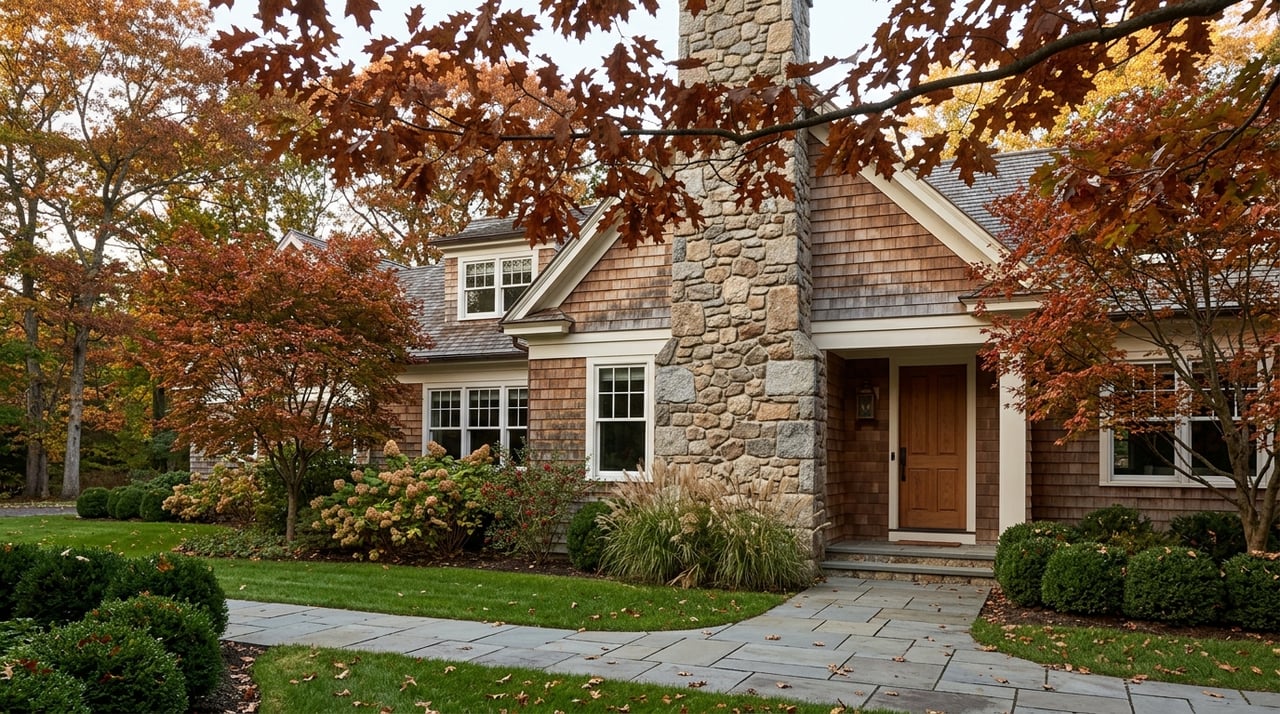
Historic homes in Wellesley often stand out for their architectural detail and strong sense of place. The town’s preservation guidance highlights styles such as Greek Revival, Colonial Revival, vernacular Victorian, and Shingle Style, along with defining features like wood clapboards, shingle siding, porches, dormers, and traditional trim.
If you are drawn to original materials and period character, these homes can feel especially compelling. Many are located in neighborhoods shaped in the late 19th and early 20th centuries, and the Wellesley Historical Commission materials note that more than 760 residential properties over 100 years old have been researched in town.
That character often shows up inside as well. Historic New England explains that older New England homes commonly have more compact, room-by-room layouts, defined entries, smaller closets, and pantry-style spaces.
For some buyers, that is a plus. You may prefer separate rooms, quieter spaces, and details that feel difficult to replicate in newer construction.
One of the biggest lifestyle differences is flow. Older homes often have more segmented floor plans than newer builds, so day-to-day living can feel different if you are used to open kitchens, oversized family rooms, and wide sightlines.
That does not make an older layout better or worse. It simply means you should think carefully about how you live now, how often you entertain, and whether you want formal separation between rooms or a more flexible common area.
If you are considering renovation, layout changes may not always be simple. The National Park Service guidance referenced by Historic New England notes that major changes to historically important floor plans can diminish a building’s character.
The tradeoff for charm is usually upkeep. Wellesley’s historic-preservation guidance identifies wood deterioration, water penetration, peeling paint, and weathered surfaces as common concerns when preventative maintenance is not consistent.
That is especially relevant in a town where historic homes often rely heavily on exterior wood materials. Wood siding, trim, and decorative details can be beautiful, but they also require regular attention over time.
If you are considering an older home, it helps to go in with a realistic mindset. You may love the look and feel of the house, but you should also be prepared for a more active maintenance calendar and periodic capital projects.
Older does not automatically mean inefficient, but it often means performance depends on prior upgrades and the quality of ongoing care. Mass Save notes that air sealing and insulation are among the most cost-effective improvements and can reduce heating and cooling costs by up to 15%.
For older homes, a whole-house approach is usually more useful than making assumptions based on age alone. DOE and EPA guidance cited in the research emphasizes air sealing, insulation, moisture control, weatherstripping, and repair-based window strategies.
That last point matters in Wellesley. If a home has original wood windows, repairing them and adding storm windows or weatherstripping can sometimes improve efficiency while preserving the home’s character.
Newer homes in Wellesley are often designed around modern expectations for size and function. The town’s housing production data shows that homes built from 2000 to the present averaged 4,651 square feet and 10 rooms, compared with roughly 2,275 to 2,789 square feet and 8 rooms in several older age bands.
That difference can have a major impact on daily life. Newer homes may offer larger kitchens, more open gathering areas, bigger closets, additional bathrooms, mudrooms, attached garages, and more flexible space for work or guests.
In many cases, these homes combine traditional exterior styling with a newer interior program. Wellesley’s design guidelines note that some new homes draw from historic shingle-style forms and detailing, while also incorporating clearly current features such as two- and three-car garages.
Another major advantage of newer construction is its starting point on code compliance and systems. Wellesley adopted the Municipal Opt-in Specialized Energy Code in 2023, which requires new mixed-fuel buildings to be prewired for future electrification and requires solar on some projects.
In practical terms, newer homes often begin with a stronger energy and infrastructure baseline than older ones. That does not mean every newer home is perfect, though.
You still want to evaluate workmanship, drainage, mechanical systems, and site details carefully. A newer build may reduce your immediate project list, but it should still be inspected with the same discipline you would bring to any major purchase.
Here is a simple way to think about the tradeoffs:
| Feature | Historic Wellesley Homes | Newer Wellesley Homes |
|---|---|---|
| Architectural feel | Original detail and period character | Traditional or updated styling with modern layouts |
| Floor plan | More segmented, defined rooms | More open, larger rooms |
| Maintenance | Often higher and more ongoing | Often lower at the start |
| Energy baseline | Varies widely based on upgrades | Usually stronger starting point |
| Renovation complexity | Can be more sensitive and rule-dependent | Often more straightforward |
| Project load after closing | Frequently higher | Usually lighter |
The right choice depends less on which category is "better" and more on how you want your home to function. It is really a choice between character and customization on one side and convenience and scale on the other.
In Wellesley, this step is essential. Before planning major exterior work, you should confirm whether a property is in a local historic district, a single-building district, or a neighborhood conservation district.
The town’s historic districts page explains that the Historic District Commission reviews exterior alterations in historic districts, but not interior changes or renovations. That distinction is helpful, but exterior plans can still affect your budget, timeline, and design choices.
Wellesley also has a demolition-review bylaw that can apply to eligible dwellings built on or before December 31, 1949. According to the town’s demolition review materials, demolition or substantial exterior envelope removal can trigger review before a permit is issued.
Every home needs a careful inspection, but older homes usually call for extra focus. If the home was built before 1978, EPA lead guidance says it is more likely to contain lead-based paint, and the share is especially high in homes built before 1940.
That does not automatically make an older home a bad choice. It does mean you should understand the condition of painted surfaces and know that renovations disturbing lead paint generally require lead-safe certified contractors in pre-1978 homes.
It is also smart to verify the home’s construction date early if you are thinking about major work. Wellesley’s demolition-review process relies on records such as assessor data, building permits, deeds, and archives to determine age, so getting clarity upfront can save time later.
If you are still weighing both options, these questions can help clarify your direction:
In general, historic homes tend to suit buyers who are comfortable with projects and motivated by craftsmanship, charm, and a defined sense of place. Newer homes tend to suit buyers who prioritize space, current mechanicals, and a lighter immediate project load.
There is also a resale angle to consider. Wellesley’s historic-district information notes that protected status has given owners resiliency in property values over the past thirty years, which can matter if long-term value preservation is part of your thinking.
Once you narrow your preference, the best move is to match your search and due diligence to the type of home you want. For older homes, that may mean deeper review of maintenance history, renovation records, district status, and energy-improvement opportunities through programs like Mass Save incentives and HEAT Loan financing.
For newer homes, the focus may shift toward build quality, lot drainage, layout efficiency, and whether the home truly fits your long-term needs. In Wellesley, where both historic properties and teardown-era construction play a major role in the market, the smartest decision usually comes from balancing emotion with process.
If you want a clear-eyed strategy for comparing homes in Wellesley, Taylor Yates can help you evaluate tradeoffs, understand local review considerations, and move forward with confidence.
Stay up to date on the latest real estate trends.
August 20, 2026

Taylor Yates | August 17, 2026
August 13, 2026

Taylor Yates | August 10, 2026

August 6, 2026
August 6, 2026

Taylor Yates | August 3, 2026

Taylor Yates | July 27, 2026
July 23, 2026
We bring decades of experience to transactions large and small and treat every client with the high level of service they deserve. Whether your goal is to build, buy, or sell a home, I would be honored to serve and help you with your real estate needs!

426 Boston Post Rd. Weston, MA 02493