Selling in Newton is a timing game. You want your home market-ready right when buyers are most active, without last-minute scrambles that cost momentum. If you have 90 days, you can move from first consult to live listing with a smooth, white-glove plan that protects your sale price and your sanity.
In this guide, you’ll see exactly what to do each week, how to prioritize work that moves the needle, and how to align with Newton’s micro-markets and spring demand. You’ll also find the local documents and rules to confirm so nothing delays closing. Let’s dive in.
Why a 90-day plan works in Newton
A 90-day window gives you time to gather documents, book vendors, and complete high-visibility updates before the peak buyer season. Spring is historically busy in many markets, which means more buyers are watching for new listings. National research highlights strong seasonal patterns, and you can plan your launch to capture that momentum using resources like Realtor.com’s market insights and Zillow Research.
You also avoid the vendor crunch by booking early. Painters, stagers, and photographers fill quickly in late winter and spring in the Boston suburbs. With a clear sequence, you reduce risk and show up with polished marketing when buyers are ready.
Day 0–7: Audit and documents
Start fast with an initial consult and a rapid walk-through. The goal is to spot safety issues, quick-win cosmetic fixes, and curb appeal gaps. Agree on a budget for pre-listing work and the level of staging you want.
Fast document wins
Gather items buyers and lenders may request so you avoid delays later:
- Deed, current mortgage info, recent property tax bill.
- Any plot plan or survey, plus 12 months of utility bills.
- Permits and certificates for past work, along with manuals and receipts.
- Condo resale documents if applicable. Order early.
- Any prior inspection or pest reports.
- Lead paint disclosure if the home was built before 1978.
- Records related to any heating oil tanks.
- Title V septic report if your property uses a septic system.
Local rules to confirm
Day 7–21: Inspections and booking
Use this window to discover issues early and lock in your team.
- Order a pre-listing inspection. It is optional, but it helps you decide what to fix versus disclose.
- Schedule specialty checks if needed: radon, termite or pest, oil tank assessment, or septic if relevant.
- Gather 2–3 quotes per trade for priority work: painting, flooring, electrical, plumbing, HVAC, roofing, landscaping, cleaning, and staging.
- Start permit applications if any exterior or structural work is planned and keep the City informed on timelines.
- Book your stager and photographer for a target photo date 2–3 weeks ahead. Put weather-sensitive shots on your radar.
Day 21–45: Repairs and refresh
With quotes in hand, move quickly through the highest-impact items.
Triage what to tackle
- Safety and function first. Address roof leaks, HVAC problems, major electrical or plumbing issues, and any active pest or mold.
- High-visibility updates. Fresh neutral paint, updated light fixtures, minor flooring repairs, and simple kitchen refreshes like hardware and faucets often deliver strong returns.
- De-personalize and neutralize. Remove bold colors and excess décor to help rooms feel larger and calmer for photos.
- Plan staging. If using a professional stager, schedule installation 3–5 days before photos.
Time curb appeal to photos
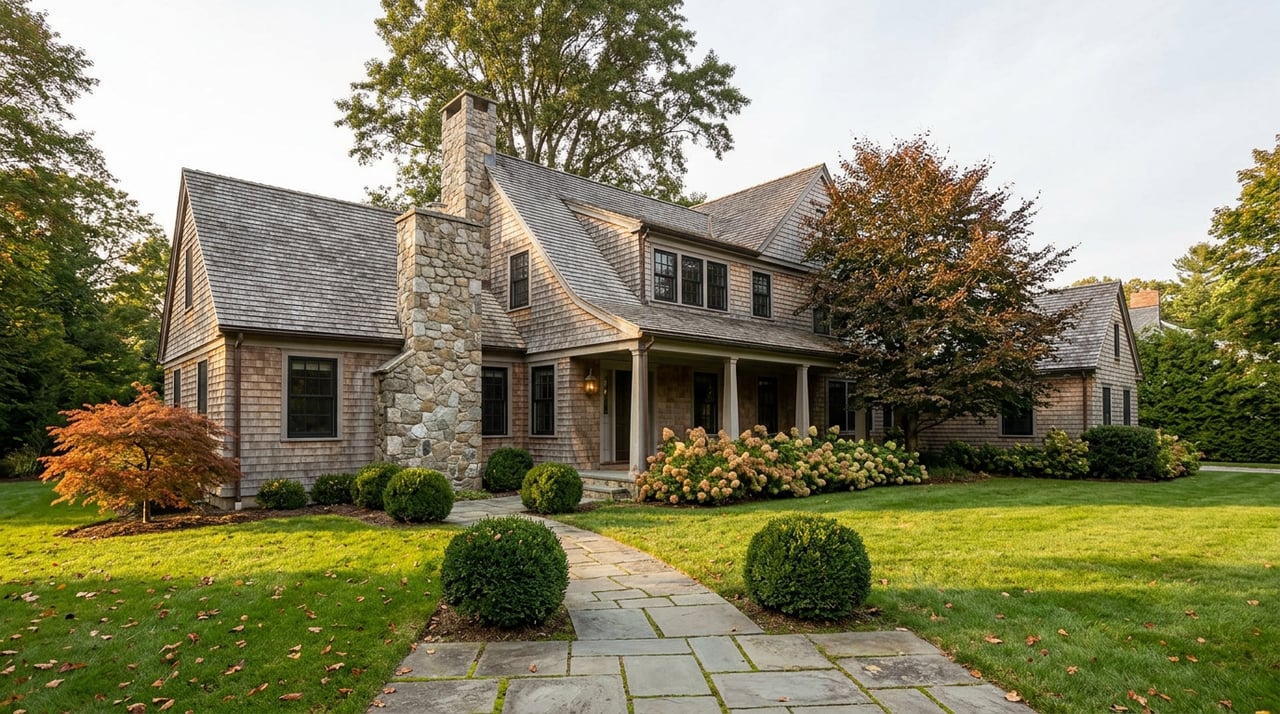
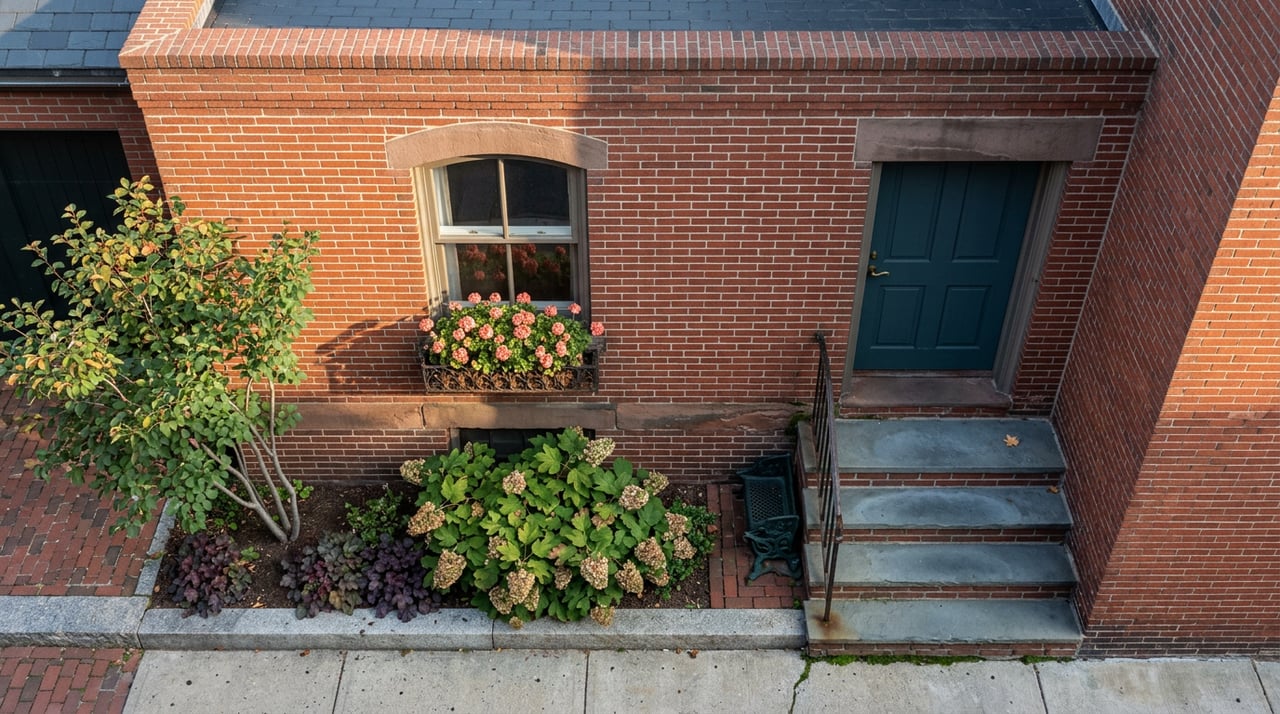
Focus on the arrival sequence. Clean the walkway, trim shrubs, refresh mulch, paint the front door, and polish house numbers and mailbox. Aim to have landscaping at its best just before the camera arrives.
Day 45–60: Stage and shoot
This is the pivot from project work to polished marketing.
Stage for the camera
Professional photos drive showings. Staging helps rooms read clearly online and can support stronger offers. For data-driven context, explore National Association of Realtors research on staging and buyer behavior.
- Complete a final deep clean after contractor work wraps.
- Install staging, then capture professional photos, floor plans, and a 3D tour.
- Consider a twilight exterior if your home has attractive evening lighting or landscaping.
Build your listing package
- Draft a clear, features-forward description tailored to your Newton village, noting transit access, parks, and nearby amenities.
- Prepare feature sheets, a neighborhood snapshot, and a disclosures packet for buyers.
Day 60–90: Launch and market rollout
You want maximum exposure in the first 72 hours, then steady showing activity.
Go-live strategy
- Choose a launch day that sets you up for strong weekend showings. Many sellers prefer mid-week so the listing feels fresh heading into open houses.
- Share a coming-soon preview to agent networks and qualified buyers where appropriate.
- Go live on MLS, launch targeted digital ads, host a broker preview, then run public open houses.
Feedback loop and offers
- Monitor early feedback. Be ready to adjust pricing, copy, or staging details if you see consistent patterns.
- Set expectations for offer review, contingency timelines, and closing coordination so the process stays calm and organized.
Vendor timing and communication
Getting ahead of spring lead times is half the battle. Typical windows in the Boston suburbs:
- Handyman and painting: 1–2 weeks if booked early.
- Flooring, kitchen, or bath work: 2–6 weeks based on scope. Order long-lead materials early.
- Staging: 2–4 weeks in spring. Confirm install and pickup windows.
- Photographer and 3D tour: 1–2 weeks. Book after staging is set.
- Municipal permits and inspections: timing varies. Start applications early and track progress.
Keep everyone aligned with a shared calendar, weekly status updates, and backup vendors for key trades. Save all invoices and certificates for your disclosures packet.
What to include in the buyer packet
Buyers feel confident when they see organized, complete information. Include:
- Signed disclosures and any recent inspection reports you choose to share.
- Copies of permits and certificates of completion for past work.
- Utility history and a summary of system ages or recent upgrades.
- Condo resale certificate and association documents if applicable.
- A simple neighborhood overview and school information sheet presented neutrally.
Newton micro-market tips
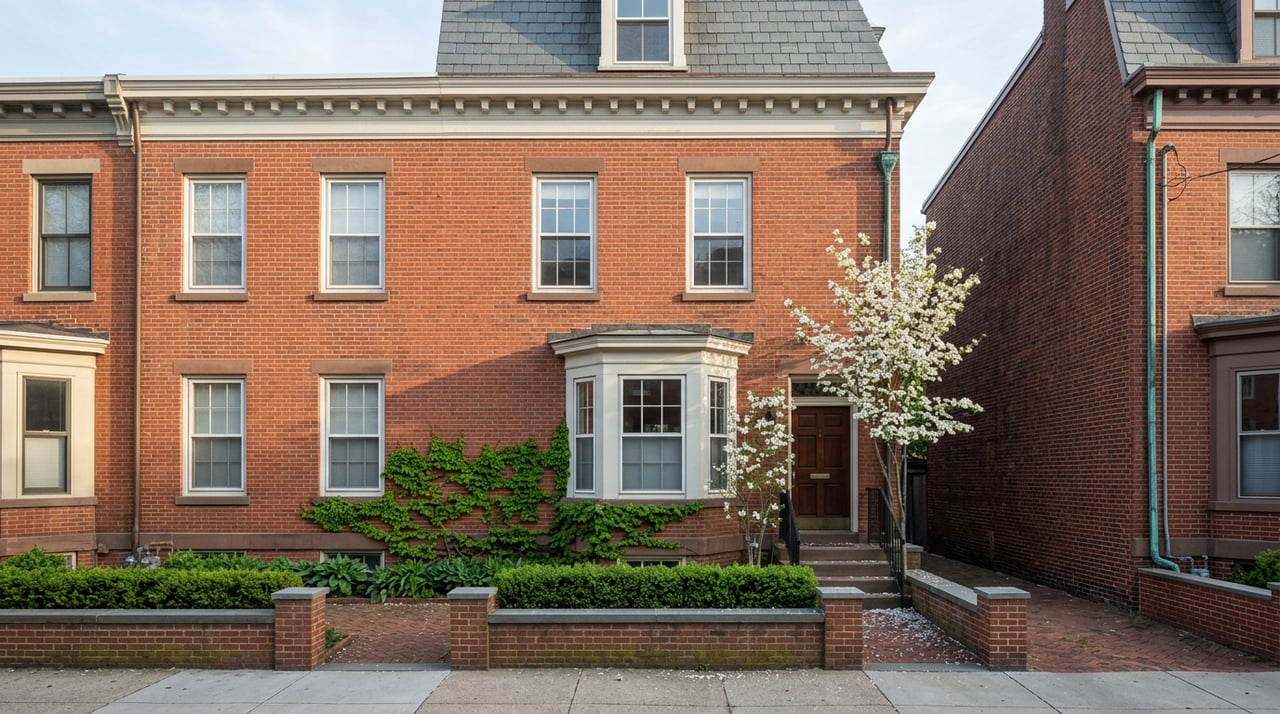
Newton is a collection of village centers, each with its own rhythm and amenities. Tailor your listing copy and photos to how buyers use the home day to day.
- Families often plan around school-year calendars, which can make spring and early summer active.
- Commuters value proximity to transit and manageable commute times into Boston and Cambridge.
- Downsizers tend to appreciate single-level living, lower maintenance, and walkability.
Consider any nearby projects or new listings that could affect timing. In some cases, going live slightly earlier or later than a wave of similar homes can help you stand out.
Quick 90-day checklist
- Day 0–7: Consult, walk-through audit, gather documents, schedule pre-listing inspection, choose staging level.
- Day 7–21: Book contractors and stager, get quotes, start permits, schedule specialty tests.
- Day 21–45: Complete safety fixes and cosmetic updates, plan landscaping to peak near photos, declutter.
- Day 45–60: Final clean, staging install, photos, floor plan, and 3D tour. Finish listing copy and collateral.
- Day 60–90: Pre-market previews, go live on MLS, open houses, showings, adjust based on feedback, manage offers.
A well-sequenced plan, paired with strong staging and clear disclosures, positions you for a smooth sale and the best possible terms. If you want a turnkey process and vendor coordination from start to finish, request a complimentary concierge consultation with Taylor Yates.
FAQs
Do Newton sellers really need a pre-listing inspection?
- It is not required, but it often helps surface issues early so you can decide whether to repair or disclose, which can streamline negotiations.
What Massachusetts disclosures should I expect when selling a home?
- Lead paint for pre-1978 homes, plus practical disclosures about permits, oil tanks, and septic or Title V where relevant; discuss specifics with your agent and attorney.
How should I time staging and photography for the best result?
- Install staging 3–5 days before photos, then capture images and 3D tours during good daylight and aligned with peak curb appeal.
Is there a best day of the week to list in Newton?
- Many sellers aim for mid-week or Thursday so the listing is fresh for weekend showings, but the best day depends on your neighborhood and marketing plan.
How much should I invest in pre-listing updates?
- Focus on safety items and high-visibility, cost-efficient improvements like neutral paint, lighting, minor flooring fixes, and simple kitchen or bath refreshes.