South Boston Condo Market Guide for New Buyers
February 19, 2026
February 19, 2026
Buying your first condo in South Boston can feel exciting and a bit overwhelming. Prices vary by block, buildings come with very different fees, and lender rules can change what you can buy. With the right plan, you can shop confidently and avoid costly surprises. In this guide, you’ll learn what condos really cost, how to read HOA numbers, which documents to request, and how the East and West sides compare, including nearby interior pockets like Franklin Field South. Let’s dive in.
Condo pricing in South Boston trends higher than many Boston neighborhoods, and there is a wide range. Recent neighborhood market reports place median sale prices in the high 800s to low 900s, with some months trending higher near the waterfront. These reports use different time windows, so expect a spread rather than a single fixed number. You can review broad market snapshots in recent neighborhood reports, then verify current comps with your agent.
Price per square foot is very location sensitive. Typical South Boston condos often range around 800 to 1,100 per square foot, with Seaport and waterfront units at the top of that range. You can see the pattern in neighborhood price per square foot data. Newer luxury buildings with full services generally command premiums over smaller associations.
Your monthly HOA fee is part of your real payment. In small 2 to 6 unit associations, fees are often lower and can land in the roughly 150 to 400 per month range, especially if heat and hot water are paid by the unit owner. In full service or luxury buildings, fees often scale with amenities. A common range is about 0.75 to 2.00 per square foot, so an 800 square foot condo might carry 600 to 1,600 or more in monthly fees. Always confirm whether heat, hot water, parking, and storage are included or billed separately.
A simple affordability framework: mortgage plus HOA fee plus property tax plus insurance equals your all in monthly cost. If an association’s reserve fund looks thin, add a contingency line in your budget for possible special assessments.
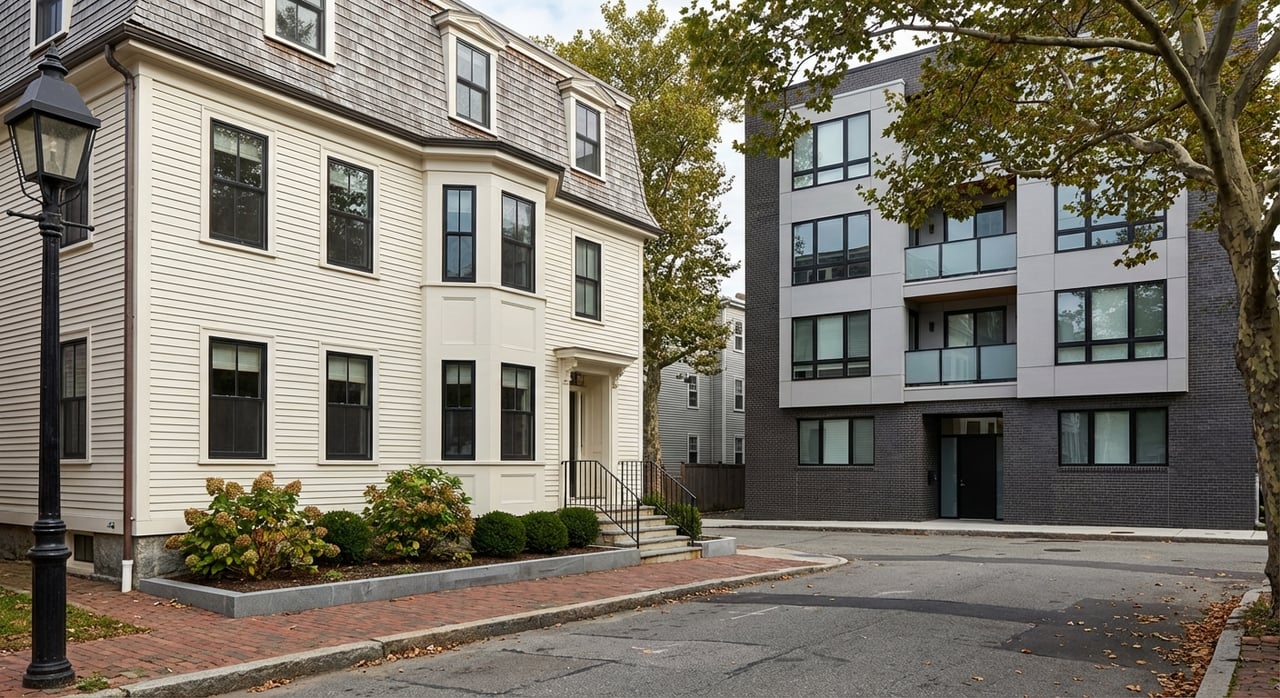
Expect many 2 to 6 unit associations in classic South Boston streets. These buildings often have in unit mechanicals and more modest common areas. Fees are usually lower, but boards can be informal and reserves thin, which can raise the chance of special assessments for capital projects like roofs or siding. A good inspector and a careful review of association financials are key.
Mid sized buildings, often 4 to 12 stories, are usually professionally managed with elevators and some amenities. Budgets and reserves tend to be more structured. Fees vary based on utilities and services, but you can expect clearer documentation and regular board practices.
In the waterfront and Seaport area, you will find high finish buildings with concierge services, gyms, pools, and valet options. These offer convenience and lifestyle, but fees are higher to support those services. Pricing and fee structures are generally above neighborhood medians, so weigh amenities against your monthly goals.
Massachusetts law gives you a clear starting point for due diligence. The Massachusetts Condominium Act requires associations to maintain an adequate replacement reserve fund and keep it separate from operating funds. Review the statute so you know what to expect from trustees and budgets in the Massachusetts Condominium Act.
Use this “must request” checklist as soon as you are serious about a unit:
Conventional lenders rely on project level eligibility rules. Fannie Mae’s Condo Project Manager and project standards are what lenders use to confirm whether a building is “warrantable,” which determines if you can get a standard loan. If a project is non warrantable, you may need a portfolio or specialty loan with higher rates and larger down payments. You can see the technical criteria in Fannie Mae’s project eligibility.
A common guideline is that at least about 10 percent of the association’s annual budget should go to reserves, unless a current reserve study supports a lower number. If an association appears underfunded, your lender may decline the project or adjust terms. Other red flags include more than 15 percent of units over 60 days delinquent on dues, significant unresolved litigation, or very high investor concentrations. A brief explainer on reserve funding norms is here: reserve planning overview.
You will see recurring phrases in Boston MLS descriptions. Here is how to translate them:
South Boston has two classic pockets with different tradeoffs. Use this quick comparison to align the fit with your lifestyle and budget.
| Priority | East Side | West Side and Broadway corridor |
|---|---|---|
| Typical buildings | More triple deckers and small associations | More mid rise and newer development |
| Access | Close to beaches and waterfront parks | Closer to Seaport, dining, and Red Line at Broadway |
| HOA fees | Often lower in small associations, utilities vary | Trend higher with amenities and services |
| Parking context | Street parking can be competitive in peak seasons | More garage options in newer buildings, often at a premium |
| Buyer fit | Quieter residential blocks and older building character | Walkability to restaurants and office hubs, modern amenities |
No matter where you focus, compare similar units side by side. Match bedroom count, square footage, parking, and included utilities to make an apples to apples comparison.
As you compare options, remember that interior locations within the broader South Boston area, including pockets like Franklin Field South, can show different pricing and building styles than the waterfront or Seaport. If you are value focused, widen your search to include interior streets and nearby pockets, then weigh commute, transit access, and association size against your budget. Always verify current comps and HOA details before locking in a decision.
Use this simple framework to test monthly costs and risk:
Market conditions, days on market, and sale to list ratios shift quickly in Boston. Start with broad market data, then confirm the latest numbers with your agent and lender before you finalize an offer.
Buying your first South Boston condo is absolutely doable with a clear plan. Price out your total monthly cost, request the right HOA documents, and have your lender pre check the building’s warrantability. Then compare East and West side options, plus interior pockets like Franklin Field South, using true apples to apples criteria. If you want a calm, step by step process from tour to closing, we are here to help.
Ready to map your purchase with a clear plan? Request a complimentary concierge consultation with Taylor Yates and get a confident start.
Stay up to date on the latest real estate trends.

Taylor Yates | July 27, 2026
July 23, 2026

Taylor Yates | July 20, 2026
July 16, 2026

Taylor Yates | July 13, 2026
July 9, 2026

Taylor Yates | July 6, 2026
July 2, 2026
June 25, 2026
We bring decades of experience to transactions large and small and treat every client with the high level of service they deserve. Whether your goal is to build, buy, or sell a home, I would be honored to serve and help you with your real estate needs!

426 Boston Post Rd. Weston, MA 02493