South Boston Waterfront Living: Beaches, Parks, Daily Life
February 5, 2026
February 5, 2026
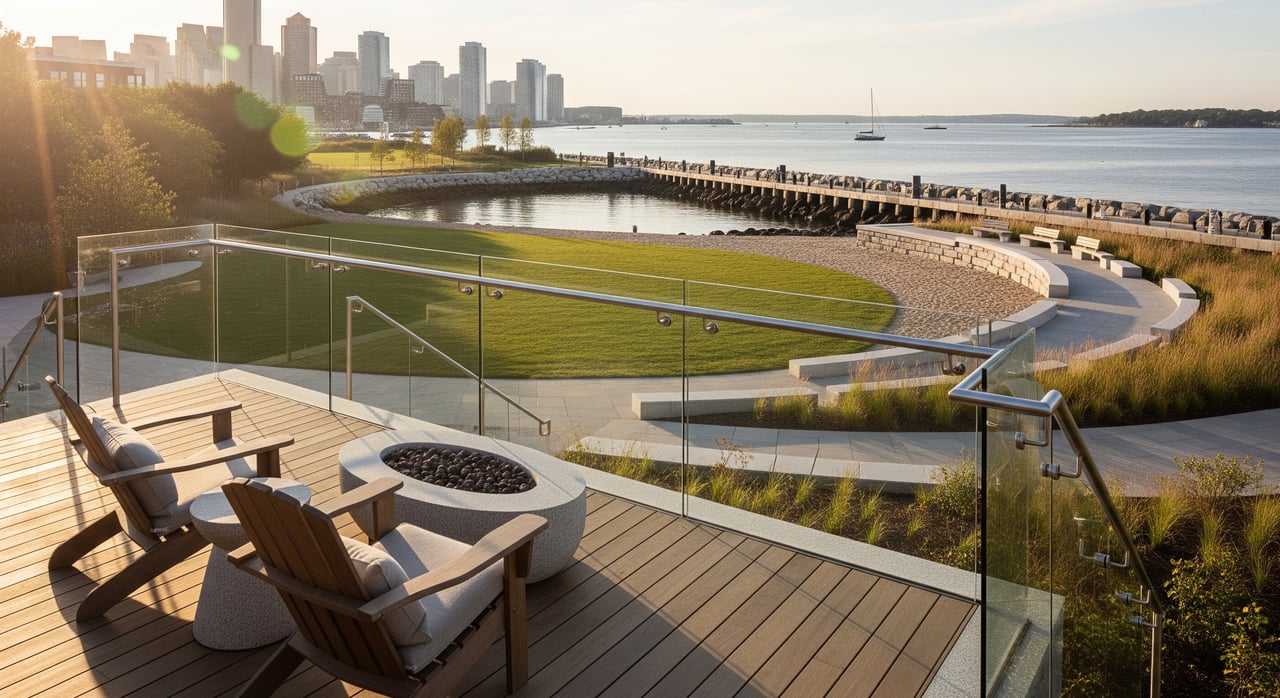
Picture starting your day with a Harborwalk sunrise, a quick loop around Castle Island, and coffee on your way to the office. If you are considering a move to South Boston’s waterfront, you likely want the real details: How close are the beaches, what is the commute like, and what daily life actually feels like. In this guide, you will learn how residents use the beaches and parks, how people get around, and what to weigh if you buy a condo on the Seaport or a place a few blocks inland. Let’s dive in.
South Boston blends classic rowhouse blocks with a modern waterfront district. You will see two distinct vibes that work together. Inland streets feel more residential and neighborly. The Seaport is energetic, with restaurants, offices, and new-construction buildings.
Castle Island is a year-round favorite for walking, running, and picnics. Managed by the Massachusetts Department of Conservation and Recreation, it offers broad bayside paths, views of the harbor, and seasonal concessions. Fort Independence provides a historic backdrop and a destination for weekend strolls.
Carson Beach and M Street Beach are sandy, wide, and popular in summer. Lifeguard seasons and water-quality monitoring are part of regular operations, so you can plan swim days with confidence. For current advisories and beach updates, check City of Boston Parks and Recreation and DCR notices.
The Harborwalk ties much of the waterfront together with a continuous public path. Many residents use it for daily runs, dog walks, or even a bike commute. Learn about route segments and access points through Boston Harbor Now’s Harborwalk resources.
In the Seaport, you will find green spaces for outdoor classes and events. The Lawn on D hosts seasonal programming, live music, and community gatherings. Smaller pocket parks add seating, shade, and spots for a quick lunch outside.
Waterfront loops around Castle Island and along the Harborwalk make it easy to keep an active routine. Protected bike lanes and bike-share stations support quick trips. You can find stations and passes through Bluebikes.
In season, local outfitters and community programs offer sailing and paddling. Many residents keep fitness simple with daily walks, neighborhood gym visits, or outdoor yoga on public lawns. Weekends tend to revolve around the beaches, a harbor cruise, or a museum visit.
On the arts front, the Institute of Contemporary Art anchors the Seaport’s cultural scene with exhibitions and public programs. Dining ranges from full-service restaurants to casual cafes. Inland, you will still find long-standing neighborhood spots that add to South Boston’s character.
Transit access is a core strength. The Red Line stops at Broadway and Andrew for quick trips to downtown. The Silver Line serves the waterfront and connects to South Station and Logan. Check maps and schedules on the MBTA.
Seasonal ferry routes and water taxis run from Seaport piers to central terminals and nearby destinations. They can be a scenic and efficient alternative during rush hour. Confirm current routes and timing with official ferry operators and MBTA notices.
Driving to and from the Seaport can be congested during peak hours or event nights. Parking is limited and often paid near the waterfront, with assigned garage spots in some buildings. Rideshare to Logan is convenient, though traffic near the Ted Williams Tunnel can add variability.
Waterfront and Seaport buildings tend to command higher prices on a per-square-foot basis. Inland rowhouses, triple-deckers, and smaller condos can be more cost-effective, though demand remains strong across South Boston. For high-level planning context and development trends, consult the Boston Planning and Development Agency.
Seaport buildings often include concierge services, fitness centers, and garage parking. Monthly association fees reflect those amenities and the scale of operations. Older condo conversions on residential blocks may have lower fees but fewer shared facilities.
Parts of the waterfront are exposed to coastal flooding and future sea-level rise. Review your property’s flood zone and elevation, and ask about building-level floodproofing and raised mechanicals. Use the City’s Climate Ready Boston resources and check the FEMA Flood Map Service Center for property-specific details and insurance considerations.
The Seaport is active with office workers, conventions, and seasonal events. Castle Island and the beaches are busiest in summer. Ongoing development can bring daytime construction noise, which varies by block and building orientation.
If South Boston’s waterfront fits your lifestyle, a thoughtful plan will help you move with confidence. We can outline buildings that match your routine, compare HOA structures, and map commute and flood considerations before you tour. For a calm, concierge process backed by local expertise, connect with Taylor Yates to request a complimentary concierge consultation.
Stay up to date on the latest real estate trends.

Taylor Yates | August 24, 2026
August 20, 2026

Taylor Yates | August 17, 2026
August 13, 2026

Taylor Yates | August 10, 2026

August 6, 2026

August 6, 2026

Taylor Yates | August 3, 2026

Taylor Yates | July 27, 2026
We bring decades of experience to transactions large and small and treat every client with the high level of service they deserve. Whether your goal is to build, buy, or sell a home, I would be honored to serve and help you with your real estate needs!
426 Boston Post Rd. Weston, MA 02493