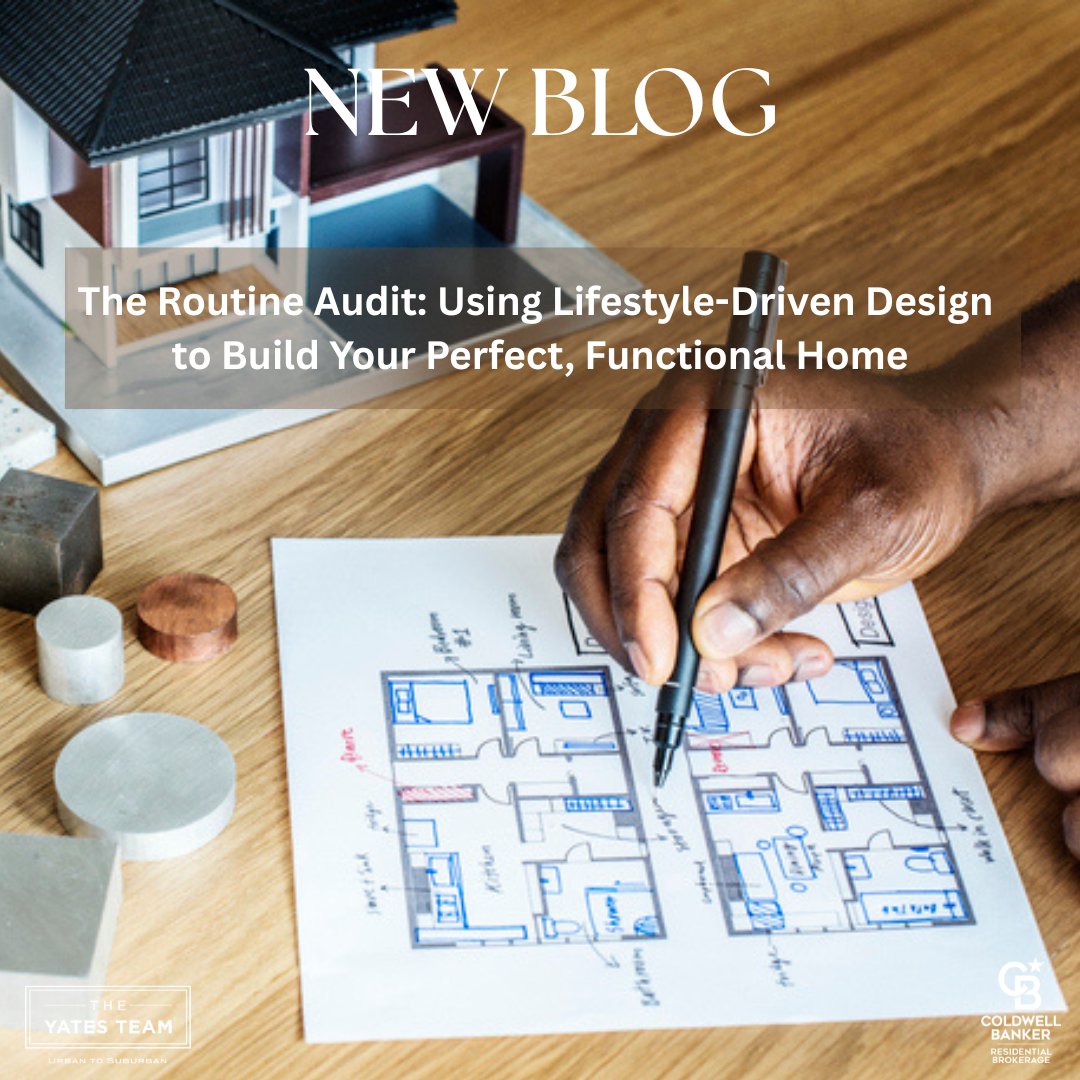
The Routine Audit: Using Lifestyle-Driven Design to Build Your Perfect, Functional Home
Taylor Yates | January 5, 2026
Taylor Yates | January 5, 2026
Are you living in a beautifully designed home that simply doesn't support your actual daily routine? If your space feels constantly messy, stressful, or inconvenient, it's time to embrace Lifestyle-Driven Design. This revolutionary approach, highlighted in the latest podcast episode, "Lifestyle-Driven Design: Building a Home Based on How You Actually Live," prioritizes function and well-being over fleeting trends, ensuring your home is a perfect extension of your life.
The foundation of this design philosophy is an honest routine audit. Homeowners must act as detectives, tracking their actual movements, habits, and "friction points" throughout the day. Where do the keys land? Where do kids drop their backpacks? Where is the primary spot for casual meals? This audit exposes the gap between the beautiful, aspirational life you imagine having and the practical, everyday life you actually live. For instance, many people allocate significant budget and space to a formal dining room used only twice a year, while their daily stress stems from a cluttered entryway or a lack of a dedicated functional home office. Identifying these friction points, such as the constant struggle for efficient storage solutions or a lack of flow between the kitchen and living area, is the first step to creating a truly personalized home design.
Certain core lifestyle habits dictate the fundamental layout and flow of a home. If you entertain frequently, an open floor plan connecting the kitchen and living areas is essential. If you work from home, a quiet, acoustically separate office is a non-negotiable priority, often influencing the entire spatial plan. Hobbies—from gourmet cooking to extensive crafting—demand dedicated, specialized zones, such as a large pantry or a robust, durable workspace.
Furthermore, Lifestyle-Driven Design requires planning for the future. Your design board should be a living document that accounts for adaptability. Instead of designing a static home, you invest in "good bones" and flexible structural elements that can easily transition: a nursery that converts to a child's study, or a basement roughed-in for a future in-law suite. Prioritizing this flexibility and change ensures your space remains efficient and comfortable as your family's needs evolve, providing a solution that aligns with your life’s timeline, not just a style magazine's deadline.
Ultimately, lifestyle alignment is more important than following interior design trends because it provides tangible, long-term benefits for your mental and financial health. A design that is perfectly tailored to your routines reduces stress, saves time, and creates a feeling of sanctuary. When a home is truly functional, it promotes practical living and personal well-being. Trends fade quickly, leading to renovation fatigue and loss of value, but a home built around your authentic self—prioritizing durable materials, efficient layouts, and customized zones—retains its relevance, comfort, and resale value for decades to come. Tune into the episode to learn how to start your own routine audit and transform your house into an efficient and comfortable home you truly love.
Stay up to date on the latest real estate trends.
August 27, 2026

Taylor Yates | August 24, 2026
August 20, 2026

Taylor Yates | August 17, 2026
August 13, 2026
Taylor Yates | August 10, 2026
August 6, 2026
August 6, 2026
Taylor Yates | August 3, 2026
We bring decades of experience to transactions large and small and treat every client with the high level of service they deserve. Whether your goal is to build, buy, or sell a home, I would be honored to serve and help you with your real estate needs!

426 Boston Post Rd. Weston, MA 02493