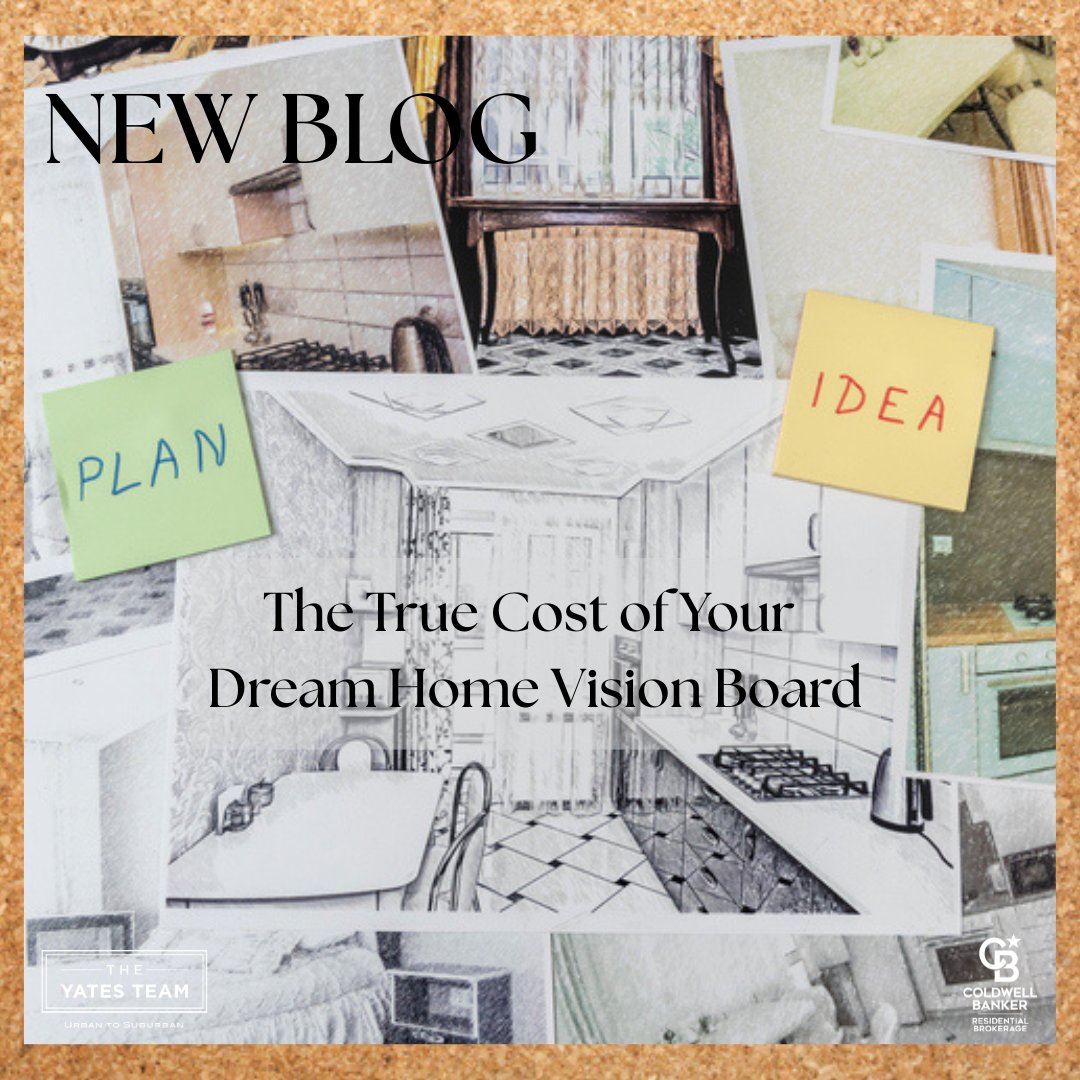
The True Cost of Your Dream Home Vision Board
Taylor Yates | January 12, 2026
Taylor Yates | January 12, 2026
Your dream home vision board is a powerful tool, full of open-concept kitchens, spa-like bathrooms, and architectural splendor. It’s the inspiration for your life’s biggest investment. However, turning that beautiful, aspirational collection of images into a realistic home construction budget requires a critical financial alignment. The key is to understand the true cost drivers behind popular design features, or risk a shocking budget gap.
The shock often comes not from the cost of materials, but the complexity of labor and structural requirements. Features like a freestanding soaking tub are beautiful, but they often require costly structural floor reinforcement and specialized sub-floor plumbing alignment, significantly increasing the installation price compared to a standard tub. Similarly, large, intricate, or small-format tile that looks stunning in a spa-like bathroom primarily drives up labor costs, requiring significantly more skilled time and precision than simple standard tile. And while vaulted or soaring ceilings add drama, they increase the total volume of air needing temperature regulation, leading to higher long-term utility costs and more complex HVAC systems.
For a dream home that doesn't become a financial nightmare, quality should almost always prevail over quantity. A common budgeting trap is prioritizing a large square footage over the quality of the "bones" of the house. Instead, invest in the unseen and hard-to-change elements for long-term value. Prioritize high-quality insulation, energy-efficient windows, durable roofing, and structural integrity. You can afford a high-end feel by compromising on size or using less costly, easily replaced finishes. For example, choose a smaller, well-designed layout with premium windows over a massive house finished with builder-grade materials.
Your vision board creates your Aspiration Budget—the maximum cost of your dream with no compromises. This is your initial reference. Your Realistic Renovation Budget is the action plan, based on your absolute maximum spend and actual professional estimates.
Prioritize: Label everything on your board as a "Must-Have" (e.g., three bedrooms) or a "Nice-to-Have" (e.g., solid brass fixtures).
Down-Spec Strategically: If your Aspiration Budget is too high, cut the "Nice-to-Haves" first, or choose less costly but durable alternatives. For example, use high-quality engineered quartz instead of rare, imported marble.
Include the Unseen: Always factor in non-visual costs like architect fees, permits, and site preparation (often 10–20% of construction).
Mandatory Contingency: Add 10–20% of your total budget as a non-negotiable contingency fund for unexpected issues (e.g., poor soil, sudden material price hikes).
To ensure your investment pays off, focus on upgrades that offer broad appeal and functionality. Energy-efficiency improvements (insulation, HVAC) provide the best long-term value through savings and comfort. Curb appeal (quality door, landscaping) and minor kitchen/bath refreshes (new countertops, hardware) also provide excellent ROI. Avoid highly personalized or labor-intensive budget drains like massive custom appliance bundles or structural reconfigurations, unless your budget is unlimited.
Your dream home vision board is the destination, but a disciplined, realistic budgeting plan is the only way to get there without financial stress.
Stay up to date on the latest real estate trends.
Taylor Yates | July 27, 2026
July 23, 2026

Taylor Yates | July 20, 2026
July 16, 2026

Taylor Yates | July 13, 2026
July 9, 2026

Taylor Yates | July 6, 2026
July 2, 2026
June 25, 2026
We bring decades of experience to transactions large and small and treat every client with the high level of service they deserve. Whether your goal is to build, buy, or sell a home, I would be honored to serve and help you with your real estate needs!

426 Boston Post Rd. Weston, MA 02493