Weston vs. Wellesley: Which Suburb Fits Your Lifestyle?
January 1, 2026
January 1, 2026
Thinking about trading your city condo for more space but not sure whether Weston or Wellesley fits you best? You are not alone. Both towns offer strong access to Boston and a polished suburban lifestyle, yet the day-to-day feel is very different. In this guide, you will compare commute options, town centers, housing and lots, outdoor amenities, municipal considerations, and a clear decision framework. You will also get a practical touring plan you can use with a local advisor. Let’s dive in.
If you want walkable errands and train options, Wellesley often fits. If you want privacy and a quiet, estate-like setting, Weston often delivers.
Both towns sit in Greater Boston’s MetroWest corridor with access to I-95 and the Mass Pike. Driving times vary with rush-hour traffic, so build in extra time at peak hours. Wellesley offers multiple direct routes to Boston and convenient access to Route 9, which can make some commutes shorter depending on your destination and time of day. Weston’s road network favors private vehicles and often relies on limited-access highways that can back up at peak times.
If you prefer rail, Wellesley has several commuter-rail stops on the Framingham-Worcester Line, which generally means more frequent and flexible options into Back Bay and Boston. Weston has fewer transit nodes and less frequent public transit. For last-mile convenience, Wellesley’s stations sit near shops and services, while Weston residents more often drive for errands and parking.
Practical tip: always test your exact door-to-door route during peak inbound and outbound times. If you plan to use the train, take a live run from the local station to your workplace neighborhood. Ask your agent about congestion hotspots, seasonal differences, and whether a property offers easy access to more than one route.
Wellesley offers multiple commercial centers with restaurants, cafés, specialty shops, and professional services. Pedestrian activity is higher, so you can often combine short walks with errands. Groceries and retail options are broad, either within town or just over the border, and healthcare facilities in the Newton area are close by.
Weston’s centers are smaller and more low-key. Daily life tends to be more car-dependent, and many residents head to neighboring towns for specialty shopping or a larger grocery selection. Healthcare is accessible in nearby communities, though there are fewer in-town clinics.
Both towns provide municipal services like libraries, recreation departments, and community programming. In general, Wellesley’s denser downtown setting supports more frequent events and a wider mix of civic activity.
Wellesley’s housing stock is varied: classic single-family homes from different eras, newer builds, and a meaningful number of townhouses and condos. That mix can suit buyers who prefer lower-maintenance living or want more options across price points and phases of life. Smaller lots are common in many neighborhoods near the centers, which can influence renovation scope.
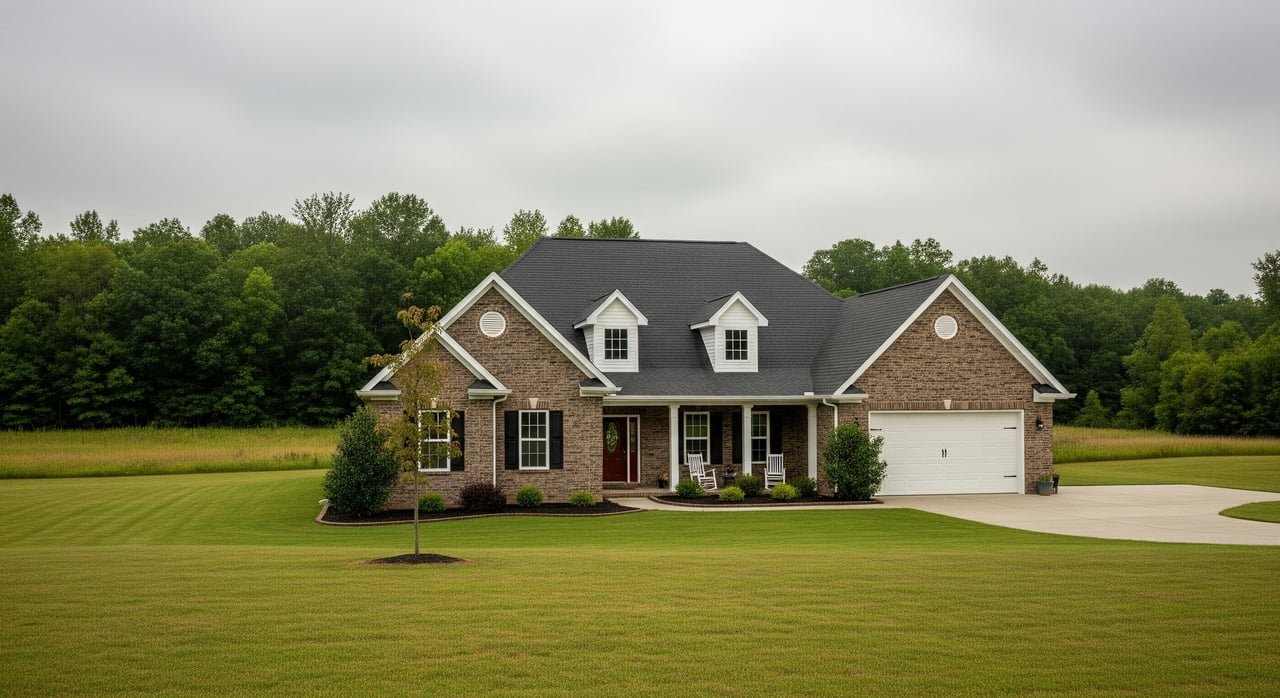
Weston is known for larger, wooded lots and single-family homes, including traditional and modernized estates. Zoning tends to favor low-density residential patterns, so privacy often comes standard. Larger parcels can create more flexibility for additions or new construction, though conservation or wetlands rules may apply depending on the site.
If you are planning a renovation or future expansion, review each town’s zoning bylaws, setbacks, and height limits. Properties near Wellesley’s centers can face tighter lot constraints. In Weston, conservation reviews may influence pool placements, accessory structures, and site work.
Both towns offer strong access to open space and trails, along with proximity to the Charles River corridor for walking, running, and non-motorized boating where public access exists. The feel differs, though. Weston features extensive woodlands and long trail networks with a more rural, private character. Wellesley blends conservation areas and town parks with easier access from the centers, which makes it simpler to combine errands with a quick trail loop.
Expect private country clubs, golf, and athletic clubs in or near both towns, plus municipal recreation programs for youth and adults. Wellesley generally has more sidewalks and short-distance bike routes near town centers. Weston’s streets are more rural in character, so walking or biking for errands is less practical in many neighborhoods.
Annual ownership costs in both towns align with higher-value markets, and your total cost will be driven by purchase price plus local property tax rates. Compare overall tax bills and service levels, not just the rate on paper. For utilities, confirm water, sewer or septic, electricity, natural gas, and internet options. On larger wooded lots in Weston, cell coverage and upload speeds can vary by provider.
Always verify whether a property is on sewer or private septic early in your process, since septic replacement can be a major expense and can affect expansion plans. For any renovations, ask the building department and conservation commission about permits, timelines, and wetlands or flood-zone considerations.
Use these questions to clarify what matters most:
Commute priorities
Daily lifestyle and convenience
Yard, privacy, and outdoor life
Housing type and maintenance
Budget and resale
Community and civic life
A simple rule of thumb: choose Wellesley if walkability and train access top your list. Choose Weston if privacy, land, and a quiet setting matter most.
Preparation: ask your agent for 3 to 6 representative listings in each town that match your budget and lifestyle goals. Request maps that highlight transit stops, grocery stores, parks, and primary commute routes.
Half-day sample plan per town:
Property inspection checklist:
Questions to ask your agent:
Wellesley and Weston both offer excellent suburban living close to Boston. The right choice comes down to how you want to live each day. If you value a lively center, quick errands, and multiple train options, Wellesley is likely a fit. If you want room to spread out, privacy, and a more rural ambiance, Weston belongs on your short list.
When you are ready to compare on the ground, we can structure an efficient tour that mirrors your commute and lifestyle. For concierge guidance and a tailored itinerary, connect with Taylor Yates for a complimentary consultation.
Stay up to date on the latest real estate trends.

Taylor Yates | August 24, 2026
August 20, 2026

Taylor Yates | August 17, 2026
August 13, 2026
Taylor Yates | August 10, 2026

August 6, 2026

August 6, 2026
Taylor Yates | August 3, 2026
Taylor Yates | July 27, 2026
We bring decades of experience to transactions large and small and treat every client with the high level of service they deserve. Whether your goal is to build, buy, or sell a home, I would be honored to serve and help you with your real estate needs!

426 Boston Post Rd. Weston, MA 02493